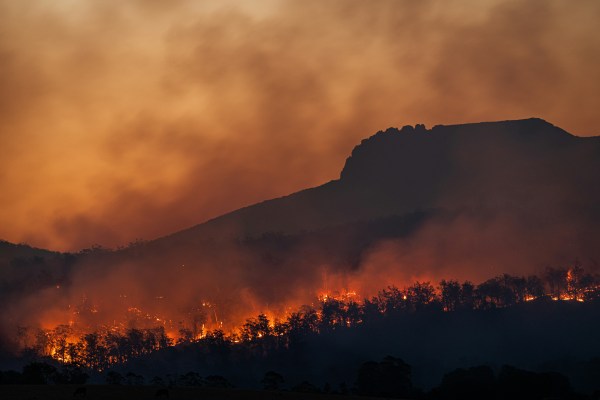
Governing Forests: State, Law and Citizenship in India’s Forests

By Arpitha Kodiveri

The nations of the Global North are responding to the climate change emergency with emissions trading schemes and alternative sources of energy. Meanwhile, nations of the Global South, still emerging from historical exploitation under colonialism, face decisions about natural resource use that are, for traditional owners and inhabitants of resource – rich lands, often a matter of life or death.

This book is the culmination of seven years immersed in the legal struggles of diverse forest-dwelling communities in India. Inspired by these social movements, Kodiveri tell the stories of how adivasi communities are using and shaping the law through clever legal interpretation and activism. The law Kodiveri shows is expanded, reframed and rendered malleable by forest-dwelling indigenous communities to be inclusive of their visions of justice, all while other laws seek to criminalize and erase their rights to land and waters.

Read the book here.

On Infertile Ground: Population Control and Women’s Rights in the Era of Climate Change

By Jade S. Sasser

Since the turn of the millennium, American media, scientists, and environmental activists have insisted that the global population crisis is “back” – and that the only way to avoid catastrophic climate change is to ensure women’s universal access to contraception. Did the population problem ever disappear? What is bringing it back – and why now? In On Infertile Ground, Jade S. Sasser explores how a small network of international development actors, including private donors, NGO program managers, scientists, and youth advocates, is bringing population back to the center of public environmental debate. While these narratives never disappeared, Sasser argues, histories of human rights abuses, racism, and a conservative backlash against abortion in the 1980s drove them underground – until now.

Using interviews and case studies from a wide range of sites – from Silicon Valley foundation headquarters to youth advocacy trainings, the halls of Congress and an international climate change conference – Sasser demonstrates how population growth has been reframed as an urgent source of climate crisis and a unique opportunity to support women’s sexual and reproductive health and rights. Although well-intentioned – promoting positive action, women’s empowerment, and moral accountability to a global community – these groups also perpetuate the same myths about the sexuality and lack of virtue and control of women and the people of global south that have been debunked for decades. Unless the development community recognizes the pervasive repackaging of failed narratives, Sasser argues, true change and development progress will not be possible. On Infertile Ground presents a unique critique of international development that blends the study of feminism, environmentalism, and activism in a groundbreaking way. It will make any development professional take a second look at the ideals driving their work.

Read the book here.
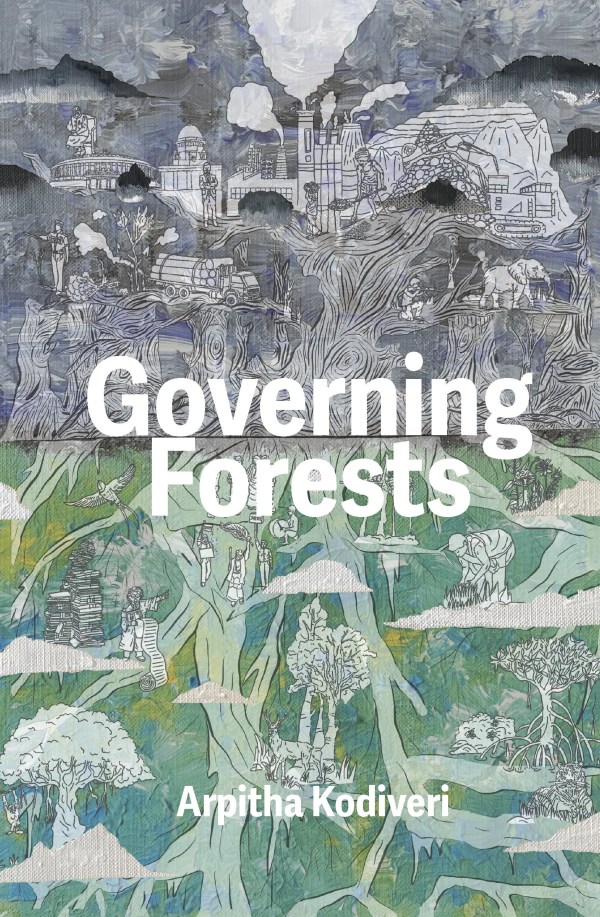
Ringing the Existential Alarm: Exploring BirthStrike for Climate

By Heather McMullen and Katharine Dow

Photo: Matt Palmer

Climate change is altering the horizon of a liveable future and as a result giving rise to a host of anxieties: ecological, demographic, reproductive, and existential. The BirthStrike for Climate collective was a group of people who were reconsidering reproduction as a result of the climate crisis. In exploring the case of BirthStrike we consider how these decisions were used as a tool for “existential” activism and how the campaign was encountered and discredited in the public realm. We argue the campaign ignited numerous anxieties, resulting in an inability to “hear” the existential threat BirthStrikers aimed to call into focus.

Read the full article here.

The unbearable heaviness of climate coloniality

By Farhana Sultana

The extremely uneven and inequitable impacts of climate change mean that differently-located people experience, respond to, and cope with the climate crisis and related vulnerabilities in radically different ways. The coloniality of climate seeps through everyday life across space and time, weighing down and curtailing opportunities and possibilities through global racial capitalism, colonial dispossessions, and climate debts. Decolonizing climate needs to address the complexities of colonialism, imperialism, capitalism, international development, and geopolitics that contribute to the reproduction of ongoing colonialities through existing global governance structures, discursive framings, imagined solutions, and interventions. This requires addressing both epistemic violences and material outcomes. By weaving through such mediations, I offer an understanding of climate coloniality that is theorized and grounded in lived experiences.

Read more here.

Create a website or blog at WordPress.com

Up ↑