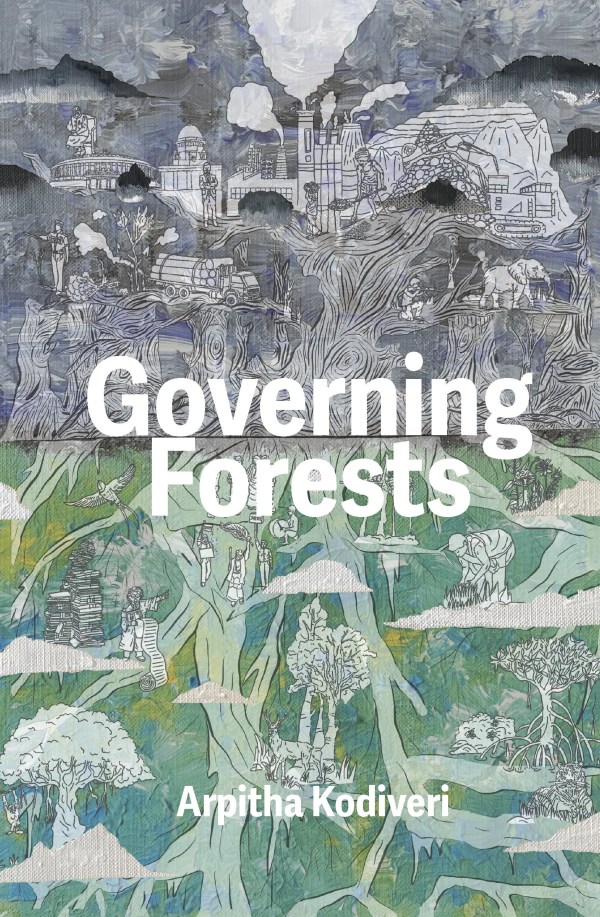
By Arpitha Kodiveri
The nations of the Global North are responding to the climate change emergency with emissions trading schemes and alternative sources of energy. Meanwhile, nations of the Global South, still emerging from historical exploitation under colonialism, face decisions about natural resource use that are, for traditional owners and inhabitants of resource – rich lands, often a matter of life or death.
This book is the culmination of seven years immersed in the legal struggles of diverse forest-dwelling communities in India. Inspired by these social movements, Kodiveri tell the stories of how adivasi communities are using and shaping the law through clever legal interpretation and activism. The law Kodiveri shows is expanded, reframed and rendered malleable by forest-dwelling indigenous communities to be inclusive of their visions of justice, all while other laws seek to criminalize and erase their rights to land and waters.
Read the book here.
 Decolonising Global Health Archive