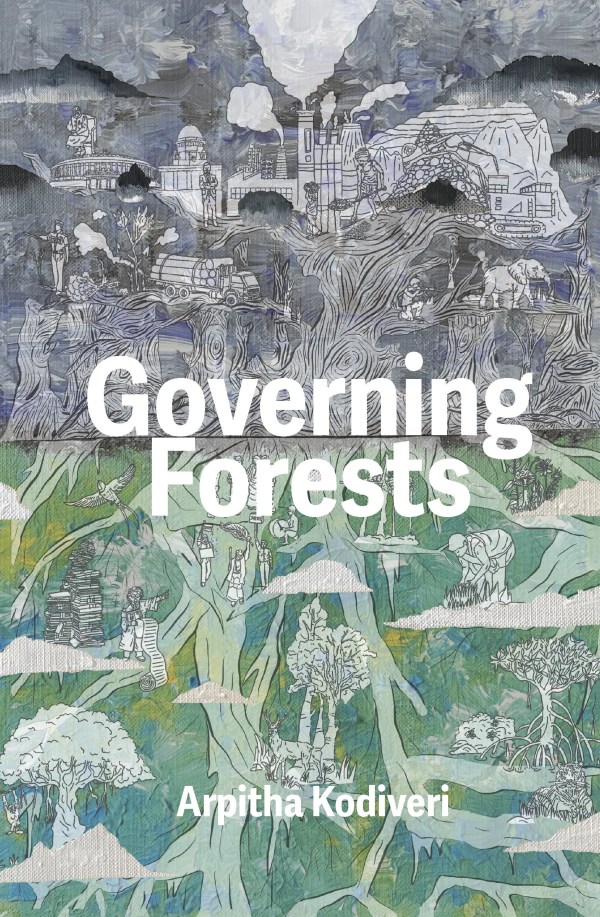
Governing Forests: State, Law and Citizenship in India’s Forests

By Arpitha Kodiveri

The nations of the Global North are responding to the climate change emergency with emissions trading schemes and alternative sources of energy. Meanwhile, nations of the Global South, still emerging from historical exploitation under colonialism, face decisions about natural resource use that are, for traditional owners and inhabitants of resource – rich lands, often a matter of life or death.

This book is the culmination of seven years immersed in the legal struggles of diverse forest-dwelling communities in India. Inspired by these social movements, Kodiveri tell the stories of how adivasi communities are using and shaping the law through clever legal interpretation and activism. The law Kodiveri shows is expanded, reframed and rendered malleable by forest-dwelling indigenous communities to be inclusive of their visions of justice, all while other laws seek to criminalize and erase their rights to land and waters.

Read the book here.
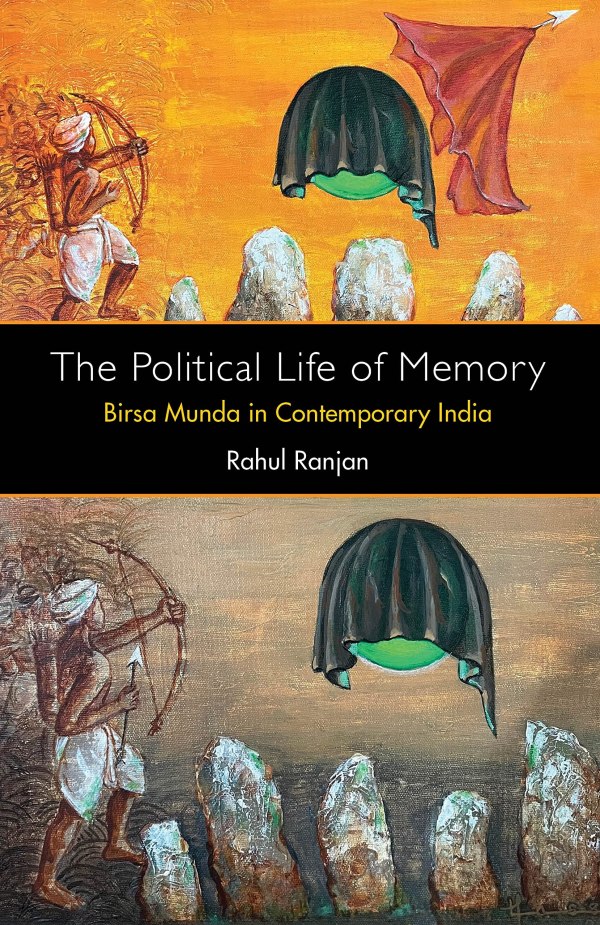
The Political Life of Memory: Birsa Munda in Contemporary India

By Rahul Ranjan

This book examines the representation of Birsa’s political life, memory politics and the making of anticolonialism in contemporary Jharkhand. It offers contrasting features of political imaginations deployed in developing memorial landscapes. Framing of Birsa in the heroic narrative through a grand scale of memorialisation, often in the form of the built environment, curates a selective version. This isolates the scope of elaborating his political ideas outside the confines of atypical historical records and their relevance in the contemporary context. The book argues that everyday politics through affective sites such as memorials and statues produce political visions, emotions, and opportunities. It shows how such symbolic sites are often strategically placed and politically motivated to inscribe ideologies. This process outlines how the state and Adivasi use memory as a political tool to lay claims to the past of the Birsa Movement.

Read the book here.

Create a website or blog at WordPress.com

Up ↑